


Women’s blouses are an important part of many fashion collections because they can be adapted to casual, professional, seasonal, and fashion-forward styles. For clothing brands, choosing the right blouse involves more than selecting an attractive design. Fabric, fit, construction, details, and the intended use all influence the final product.
For brands developing new collections, understanding the differences between womens blouses and other women's tops can make product development more efficient and help create styles that match the target market.
What Are Women’s Blouses?
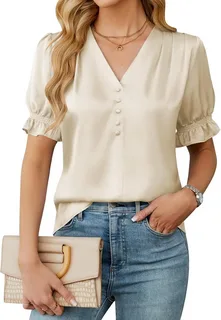
Women’s blouses generally refer to women's upper-body garments that offer a wider range of styling and design options than basic shirts. They may feature different necklines, sleeves, collars, silhouettes, closures, or decorative details.
Unlike a basic shirt, a blouse can place greater emphasis on drape, silhouette, texture, and fashion details. This makes blouses suitable for both everyday collections and more sophisticated fashion lines.
Women’s Blouses vs. Women’s Shirts
The terms blouse and shirt are sometimes used interchangeably, but they can represent different design directions. Women’s shirts often have a more structured appearance, while blouses may use softer fabrics, relaxed silhouettes, or decorative elements.
When developing women's shirts or blouses for a clothing collection, the intended styling and customer expectations should be considered before selecting the pattern and fabric.
| Feature | Women’s Blouses | Women’s Shirts |
|---|---|---|
| Design | Often more varied and fashion-focused | Often more structured and classic |
| Silhouette | Relaxed, fitted, flowing, or oversized | Often structured or tailored |
| Fabric | Can include lightweight and drapey fabrics | Often uses fabrics with more structure |
| Styling | Casual, fashion, or professional | Casual, business, or everyday wear |
Popular Women’s Blouse Styles
The right blouse style depends on the collection concept and target customer. Brands can develop multiple silhouettes from a similar base pattern by changing fabric, proportions, sleeves, necklines, and other details.
Button-Up Blouses
Button-up blouses provide a versatile foundation for professional and casual collections. Changes to the collar, button placement, sleeve shape, and fabric can create significantly different visual effects.
Relaxed and Oversized Blouses
Relaxed silhouettes can provide a comfortable and contemporary appearance. They are particularly suitable for collections where ease of movement and casual styling are important.
Crop Tops for Women
Crop tops for women represent a shorter silhouette and can be developed for younger, casual, or fashion-oriented collections. The proportions of the body and sleeves should be carefully balanced to achieve the intended appearance.
How to Choose a Blouse for Different Occasions
A blouse should be designed around its intended application. A style developed for office wear may require a different fabric and construction approach from one designed for weekend or resort collections.
Workwear and Professional Collections
For professional collections, clean silhouettes and fabrics with a neat appearance are often appropriate. Collar construction, sleeve proportions, button placement, and overall fit can influence how polished the garment looks.
Casual Collections
Casual blouses can provide more flexibility in silhouette and fabric selection. Relaxed fits, lightweight materials, prints, and less structured details can create a more casual appearance.
Fashion Collections
Fashion-focused collections may use distinctive sleeves, asymmetric details, unusual necklines, cropped proportions, or decorative elements. These details can help a brand differentiate its collection while maintaining a recognizable design language.
How Fabric Affects Women’s Blouses
Fabric selection has a major influence on the appearance and performance of a blouse. Two garments using the same pattern can look completely different when produced in fabrics with different weights, textures, stretch, or drape.
Lightweight fabrics: Suitable for flowing and breathable blouse designs.
Structured fabrics: Better suited to sharper silhouettes and tailored styles.
Stretch fabrics: Can provide additional comfort and flexibility.
Textured fabrics: Can add visual interest without relying heavily on decorative elements.
The fabric should therefore be selected together with the design rather than treated as a separate decision during product development.
Why Fit and Pattern Making Matter
A well-designed blouse needs to balance appearance, comfort, and movement. Small changes to shoulder width, bust ease, waist shaping, sleeve volume, or garment length can significantly change the final fit.
For brands developing custom womens blouses, creating and testing the pattern before bulk production can help identify fit issues and reduce unnecessary revisions later in the manufacturing process.
What Should Clothing Brands Consider When Developing Blouses?
For clothing brands, product development should consider the complete garment rather than focusing only on appearance. Several factors can influence whether a blouse is suitable for commercial production.
Target customer: Define the customer's preferred style, age group, and usage scenario.
Silhouette: Decide whether the garment should be fitted, relaxed, oversized, or cropped.
Fabric: Match fabric characteristics with the design and intended use.
Construction: Consider seams, closures, collars, cuffs, and other structural elements.
Size range: Develop grading and measurements appropriate for the target market.
Production requirements: Confirm that the design can be manufactured consistently at the required quantity.
Custom Women’s Blouses for Clothing Brands
Brands that want a distinctive product can develop custom blouses instead of relying only on standard styles. Custom development allows the brand to control the silhouette, fabric, colors, trims, labels, and finishing details.
This approach can also allow several related styles to be developed within one collection. For example, a brand could use a common design concept while offering a button-up blouse, relaxed blouse, and cropped style with different proportions and fabric options.
How to Build a Balanced Blouse Collection
A balanced collection does not need dozens of completely different designs. Instead, brands can create variety through carefully planned silhouettes, fabrics, colors, and details.
A practical collection might include classic styles for everyday wear, relaxed designs for casual customers, and more distinctive pieces for seasonal or fashion-focused releases. This approach can provide customers with different choices while maintaining a consistent brand identity.
Conclusion
Choosing the right womens blouses requires consideration of style, fabric, fit, construction, and application. Women’s shirts, relaxed blouses, button-up styles, and crop tops for women can all serve different purposes within a clothing collection.
For brands developing new products, starting with the target customer and intended use can make it easier to select the appropriate silhouette and materials. Combining thoughtful design with reliable pattern development and manufacturing can help create women's blouses that are both visually appealing and suitable for commercial production.