


A trusted knitwear manufacturer
A trusted knitwear manufacturer empowering your brand expansion.
Start your brandjourney today.

Thu 08 , 2026
The custom apparel industry continues to evolve as fashion brands, startups, and e-commerce businesses seek innovative ways to stand out in an increasingly competitive market. In 2026, consumers expect more than stylish clothing—they demand quality, sustainability, personalization, and faster delivery.
For brands working with experienced custom clothing manufacturers, understanding the latest trends can help create collections that resonate with target customers while improving production efficiency and profitability.
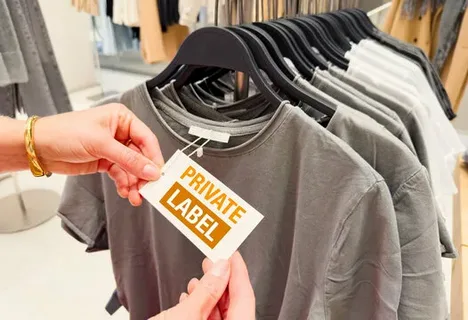
Whether you're launching a new private label clothing line or expanding an existing collection, here are the top 10 custom clothing trends every brand should know in 2026.
Private label clothing remains one of the fastest-growing sectors in the fashion industry. Instead of selling generic products, brands are investing in exclusive collections with custom labels, unique packaging, and original designs.
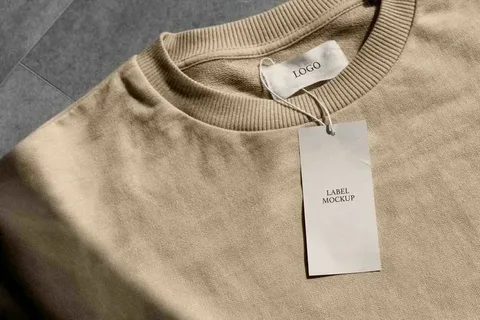
Consumers are increasingly attracted to brands that offer distinctive identities rather than mass-produced apparel. Working with a professional clothing manufacturer makes it easier to create exclusive products while maintaining consistent quality.
Environmental responsibility is no longer just a marketing advantage—it has become a purchasing factor for many consumers.
Popular sustainable fabrics include:
Organic cotton
Recycled polyester
Bamboo fabric
Recycled nylon
Many custom clothing manufacturers now offer eco-friendly material sourcing to help brands reduce their environmental footprint without compromising product quality.
Although new textile technologies continue to emerge, 100% cotton remains one of the most requested materials for premium apparel.
Cotton offers:
Excellent breathability
Soft hand feel
Comfort for everyday wear
Easy customization
High-quality cotton is widely used for T-shirts, hoodies, sweatshirts, and casual fashion collections.
Modern consumers increasingly prefer comfortable silhouettes over tight-fitting garments.
Popular oversized products include:
Oversized T-shirts
Heavyweight hoodies
Sweatshirts
Casual jackets
These styles appeal to streetwear, lifestyle, and youth fashion brands while providing greater flexibility for custom printing and embroidery.
The activewear market continues to experience strong global demand.
Brands are launching more customized:
Gym apparel
Running wear
Yoga clothing
Team uniforms
Outdoor apparel
Customers expect performance fabrics with moisture-wicking, stretch, and quick-drying properties, making functional material selection more important than ever.
Many emerging clothing brands prefer manufacturers offering flexible minimum order quantities (MOQ).
Low MOQ production allows businesses to:
Test new collections
Reduce inventory risk
Launch seasonal products faster
Respond quickly to market trends
As a result, many custom clothing manufacturers now provide scalable production services that support both startups and established brands.
Today's successful brands focus on complete brand identity rather than simply adding a printed logo.
Popular branding options include:
Woven labels
Heat-transfer neck labels
Embroidered logos
Custom hang tags
Personalized packaging
Branded poly bags
These details enhance the customer experience and strengthen brand recognition.
Decoration technologies continue to improve, offering brands more creative possibilities.
Popular customization methods include:
Screen printing
DTF printing
DTG printing
Sublimation printing
Puff printing
Silicone logo printing
Embroidery
Choosing the right decoration method depends on the garment type, design complexity, production quantity, and desired finish.
Speed has become a competitive advantage in the fashion industry.
Brands want manufacturers that can quickly produce samples, revise designs efficiently, and shorten production cycles without sacrificing quality.
Manufacturers with integrated development, pattern making, sampling, and production teams are better equipped to meet these expectations.
Rather than switching suppliers frequently, many successful brands choose to establish long-term relationships with reliable clothing manufacturers.
A trusted manufacturing partner can provide:
Consistent product quality
Stable material sourcing
Better communication
Cost optimization
Product development support
Reliable delivery schedules
Long-term collaboration allows brands to focus on growth while leaving production to experienced professionals.
To succeed in today's apparel market, brands should focus on more than just attractive designs. Selecting the right manufacturing partner, choosing high-quality materials, and embracing industry trends can significantly improve product value and customer satisfaction.
An experienced custom clothing manufacturer can help businesses develop unique collections, manage production efficiently, and adapt to changing market demands.
The custom apparel industry will continue to evolve throughout 2026, driven by sustainability, personalization, faster production, and premium product quality. Brands that embrace these trends will be better positioned to attract customers and build long-term success.
Whether you are creating your first private label clothing collection or expanding an established fashion business, partnering with professional custom clothing manufacturers ensures your products meet modern market expectations. From fabric sourcing and product development to bulk production and quality control, the right manufacturing partner plays a key role in transforming ideas into successful apparel collections.
We attach great importance to the customers' demands for product quality and rapid production.
We always believe that meeting the customers' needs is the realization of our value!

Tel:+61 414 284 868
E-mail: sharon.apparelco@gmail.com
Address:Room 101, No. 49, Chonghuan East Road, Shijie Town, Dongguan City, Guangdong Province
Copyright © 2026 Dongguan Sharon Garment Co., Ltd. All rights reserved.
Privacy Policy / Cookie Policy / Terms & Conditions